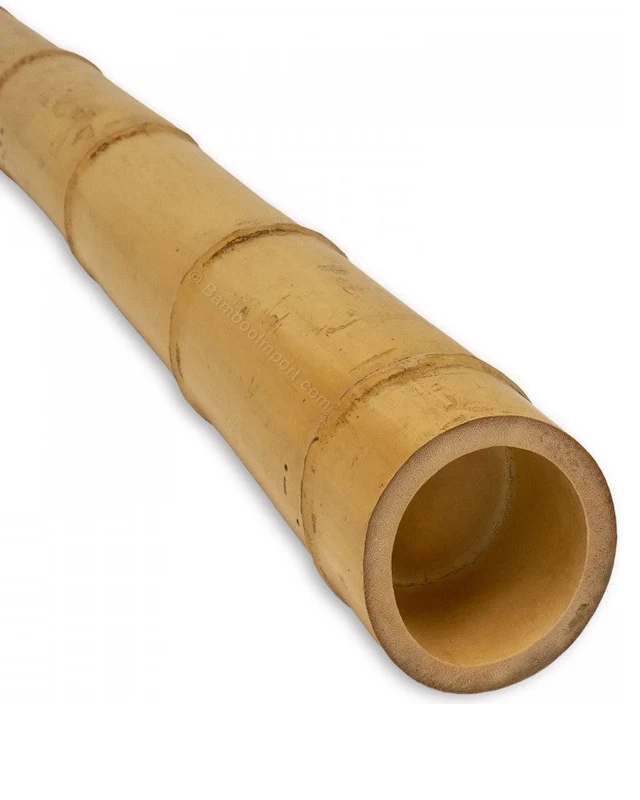
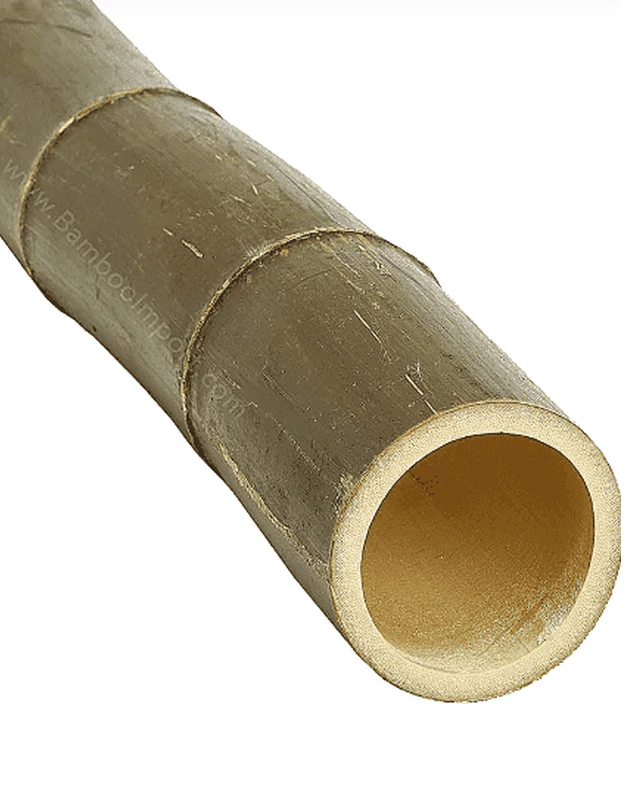
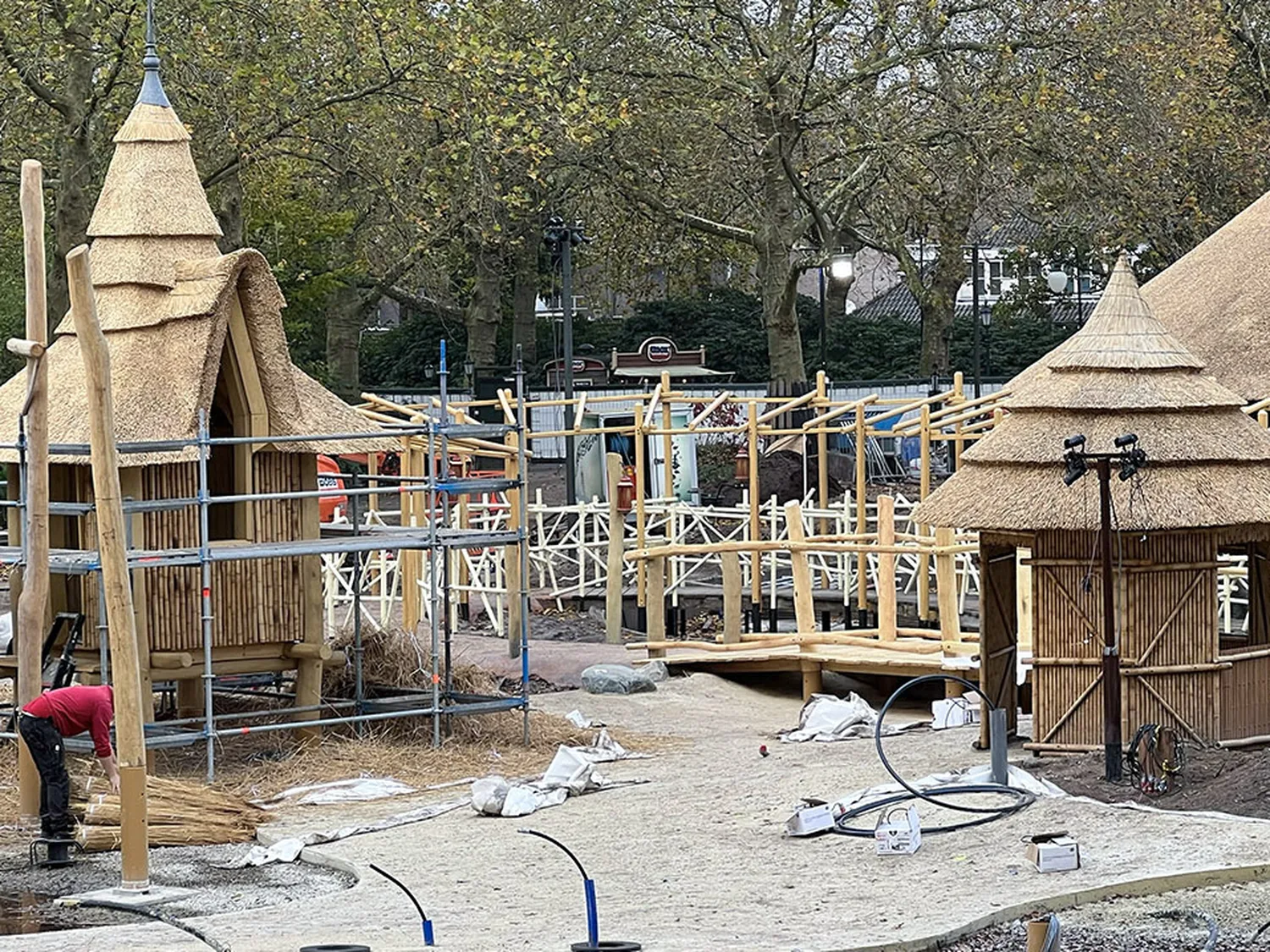
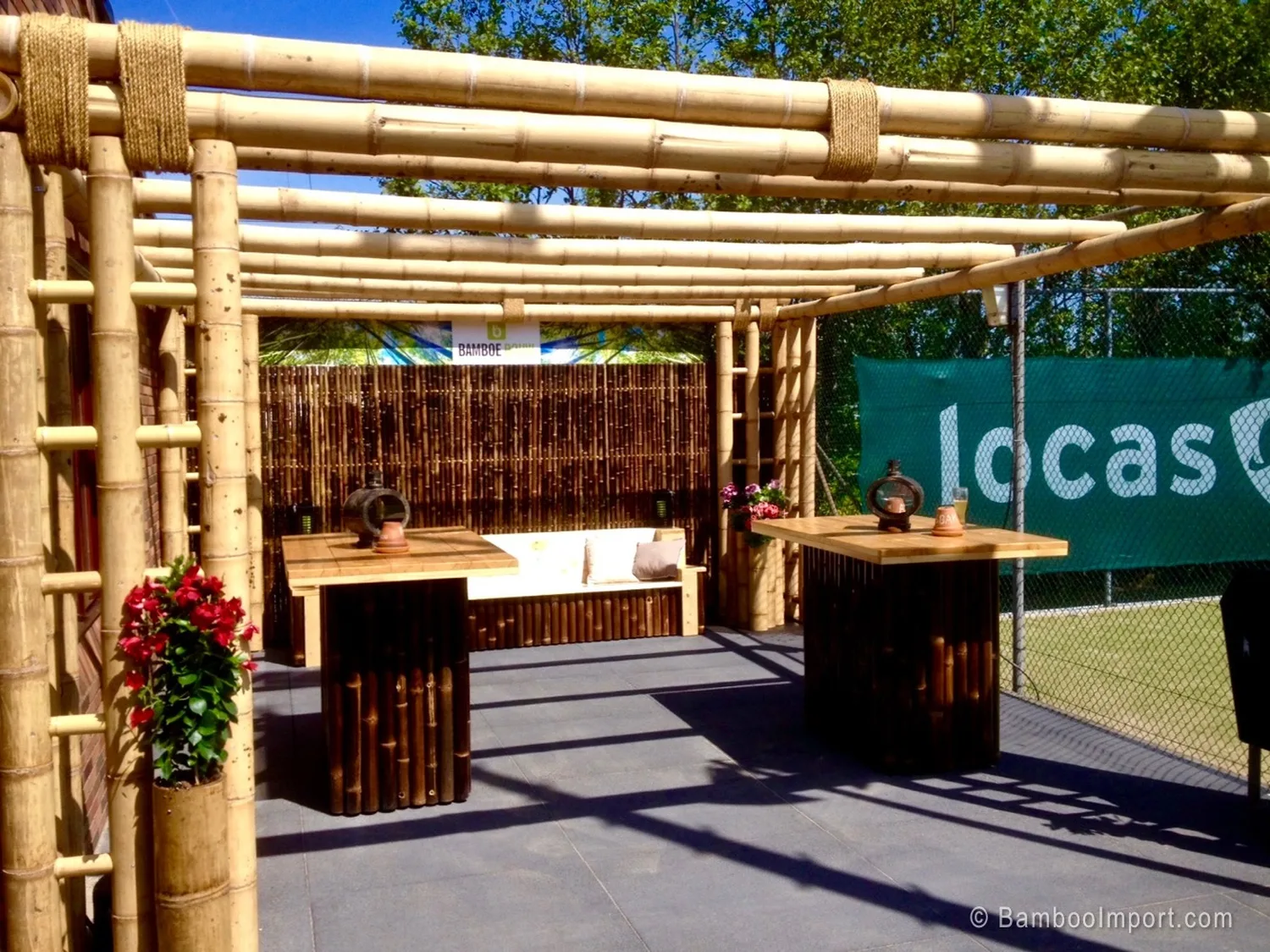
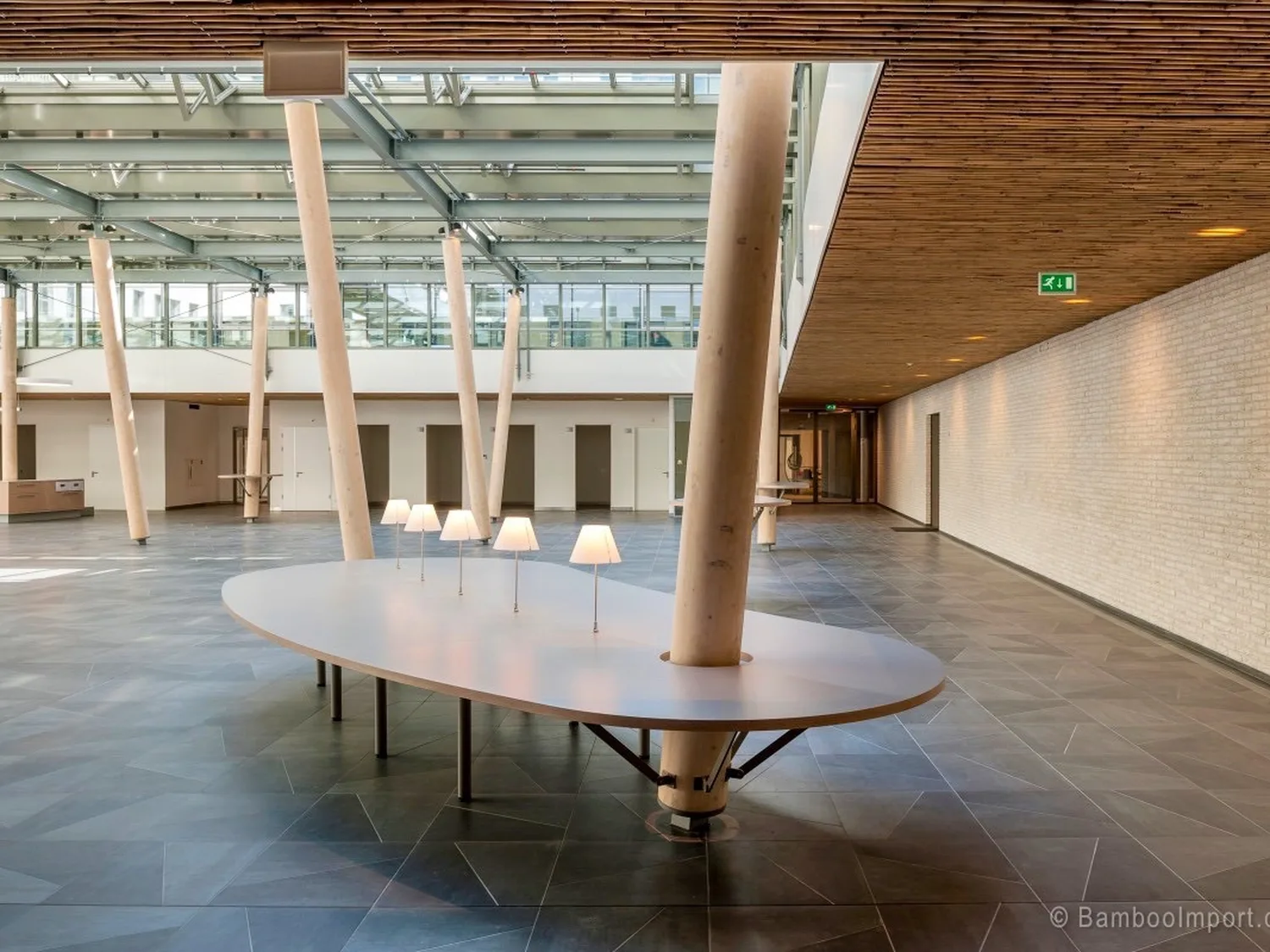
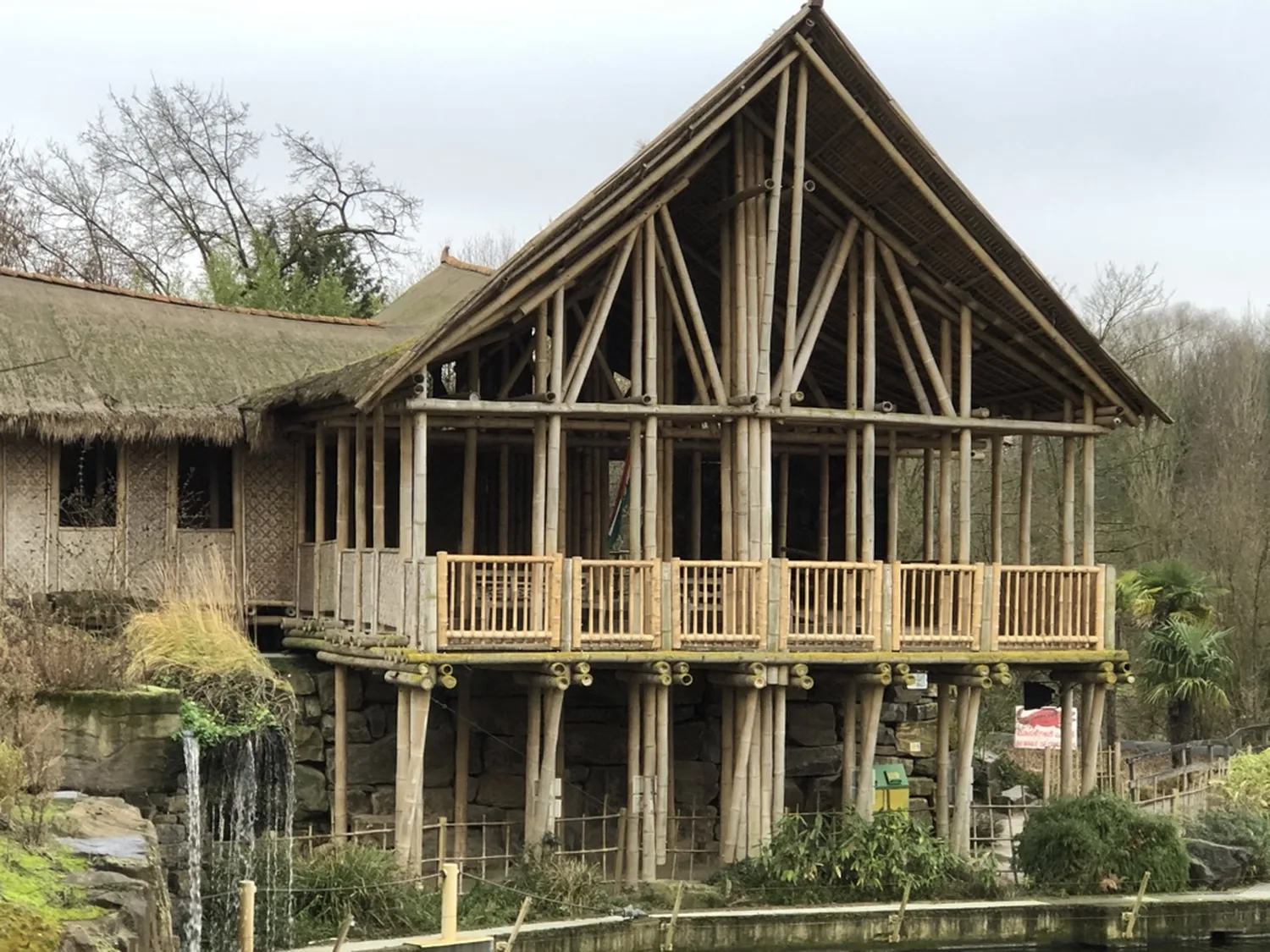
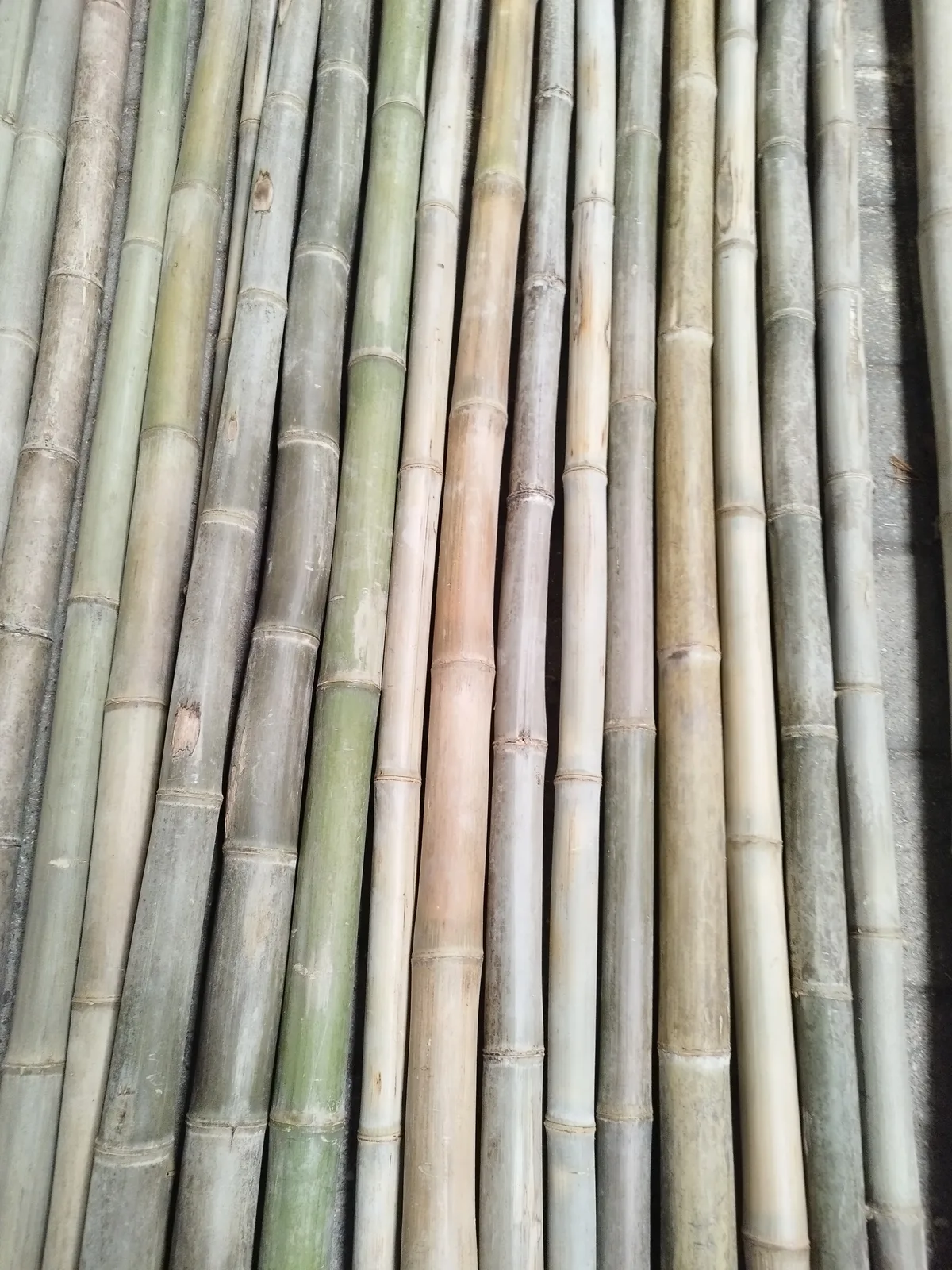
Bamboo poles are a versatile, renewable material for a wide range of building and structural applications. High strength, flexibility, low self-weight and a natural appearance together make bamboo interesting for functional and architectural structures alike.
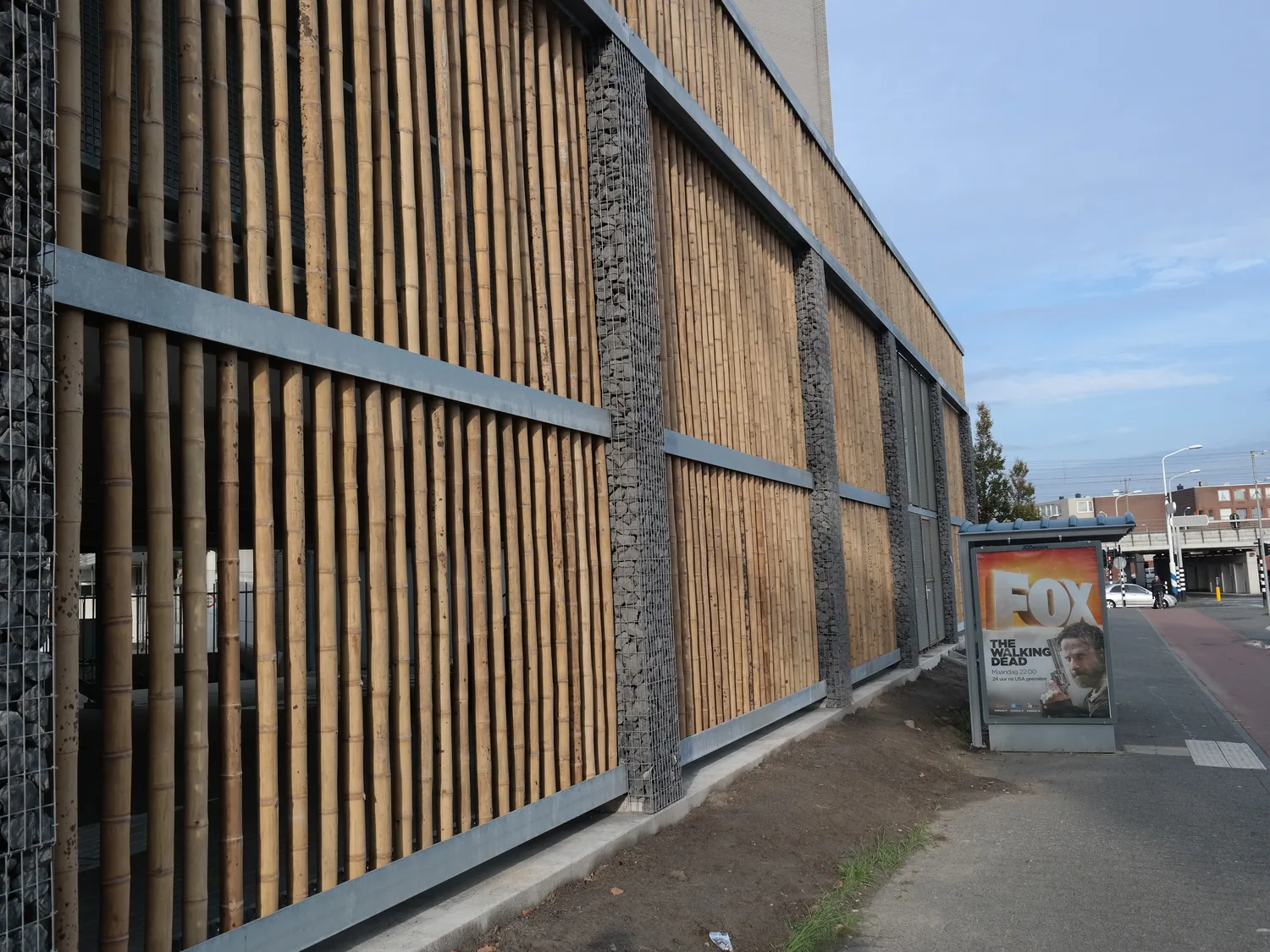
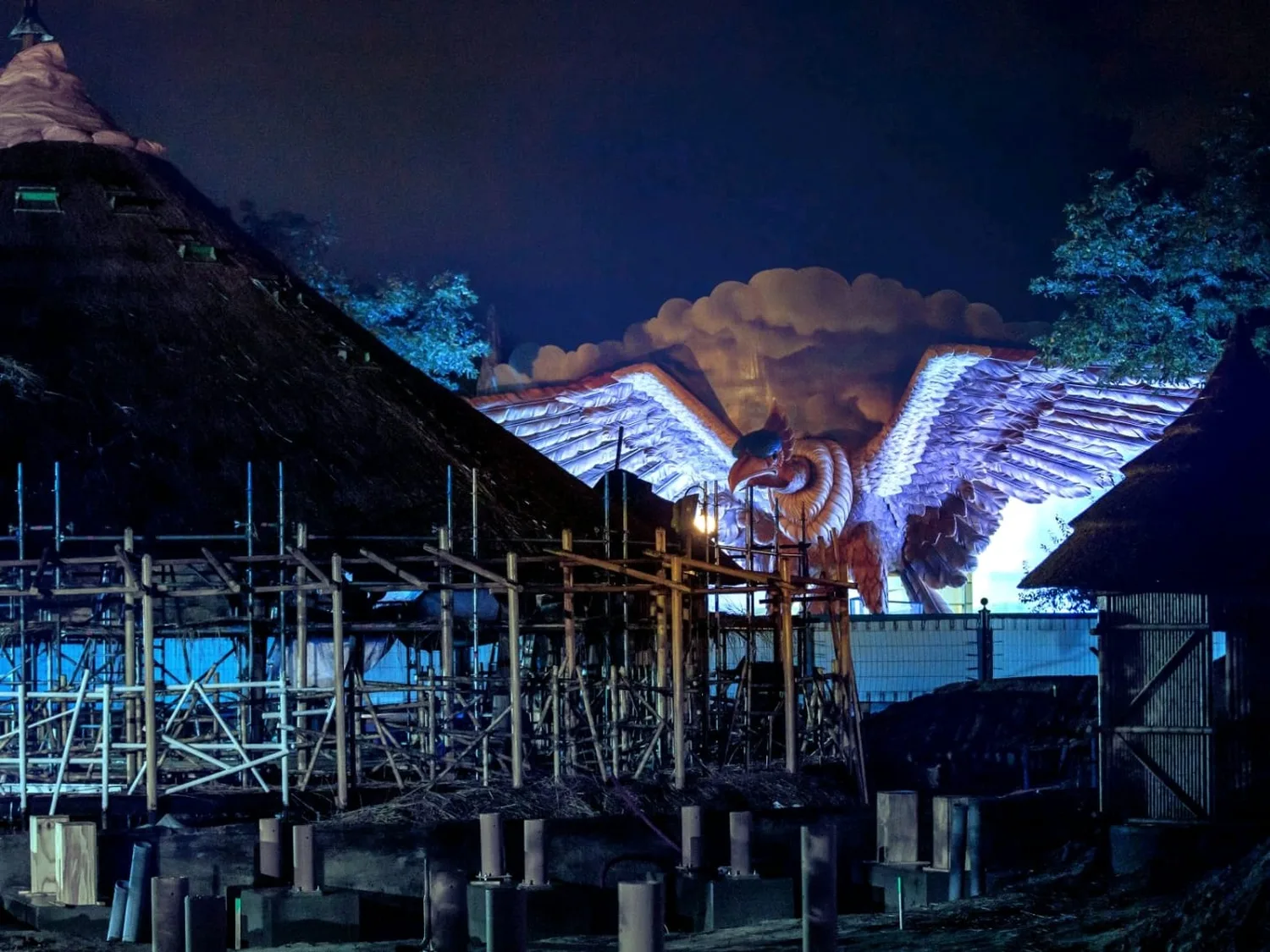
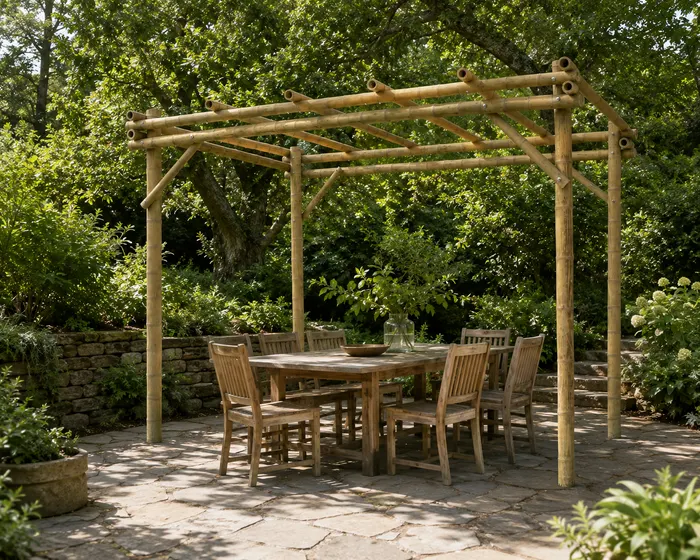
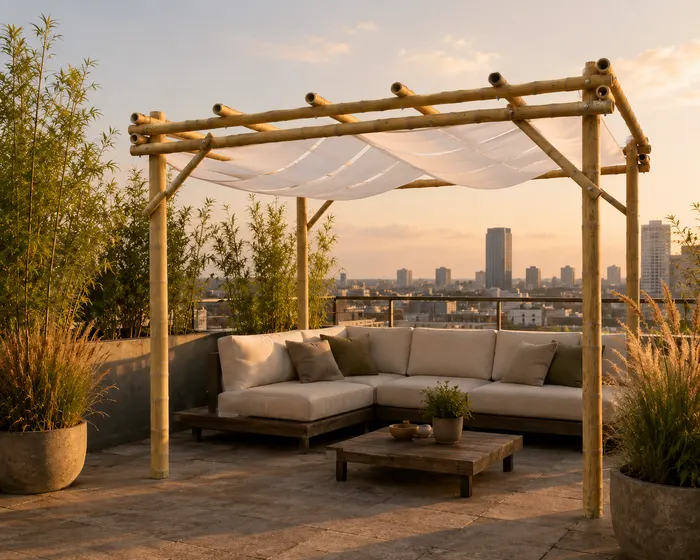
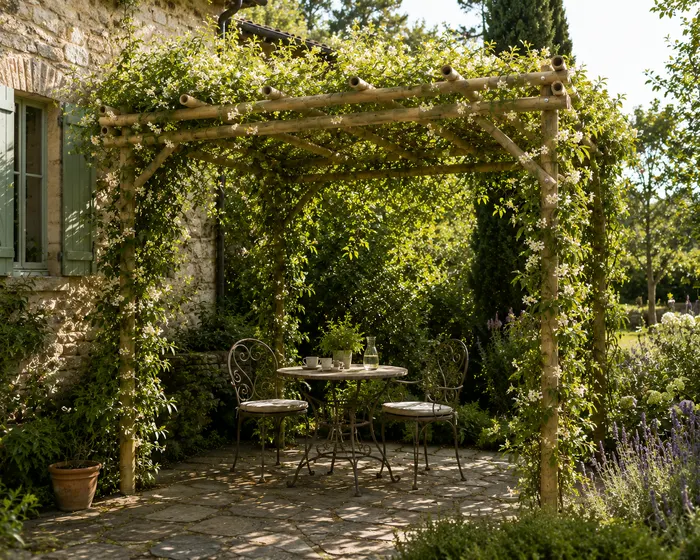
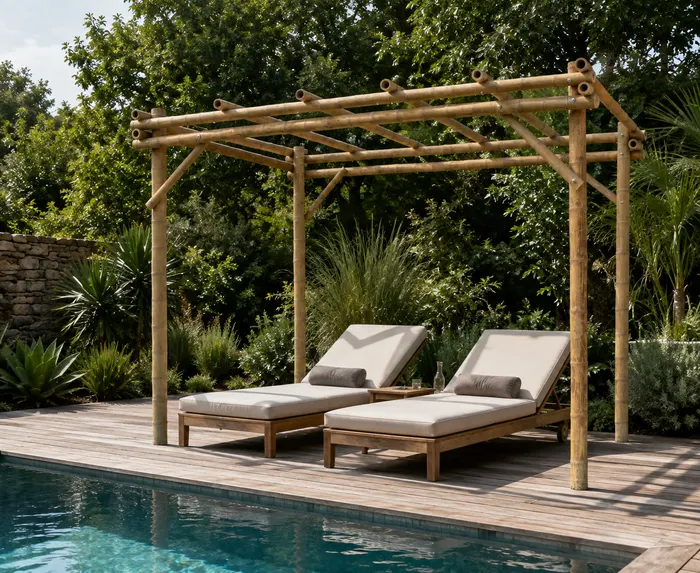
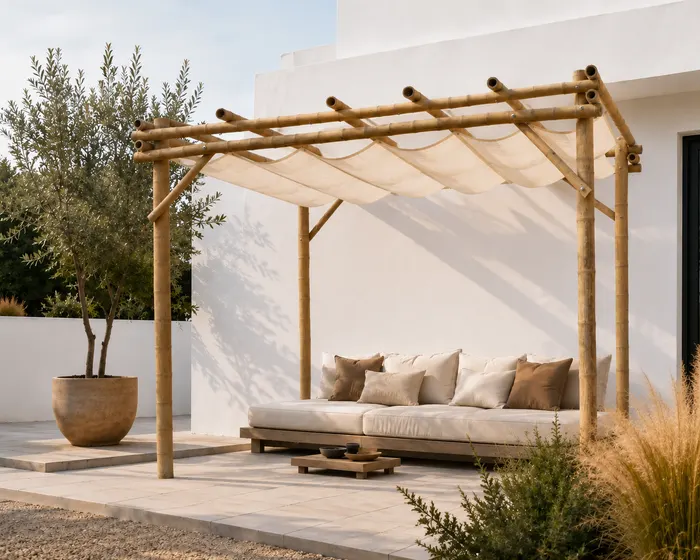
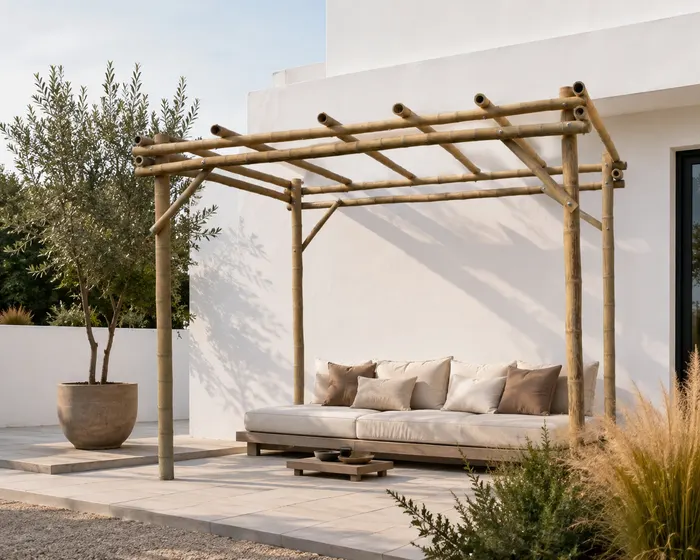
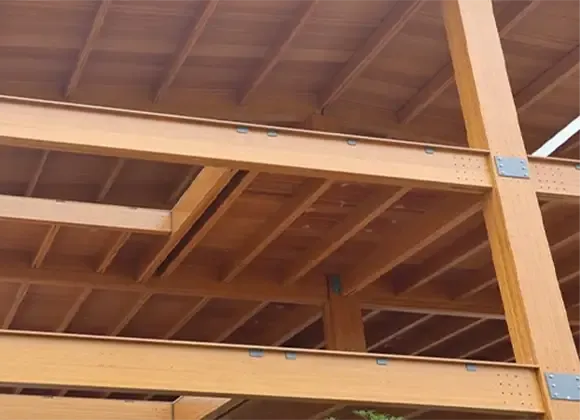
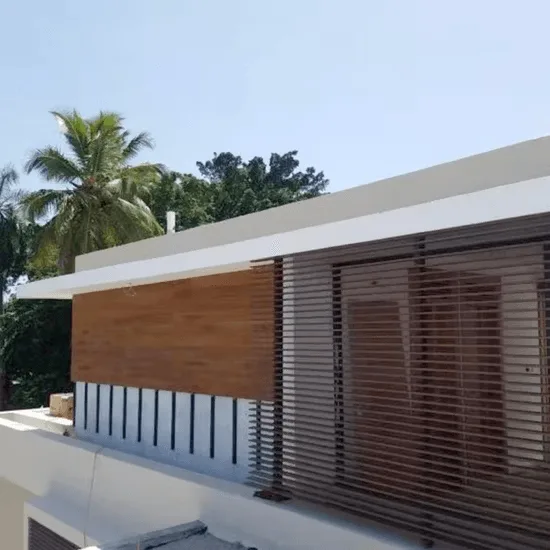
Depending on species, diameter, grade, moisture content and treatment, bamboo poles are used in houses, sheds, verandas, canopies, pergolas, bridges, facade and wall structures and a range of load-bearing and supporting structures.
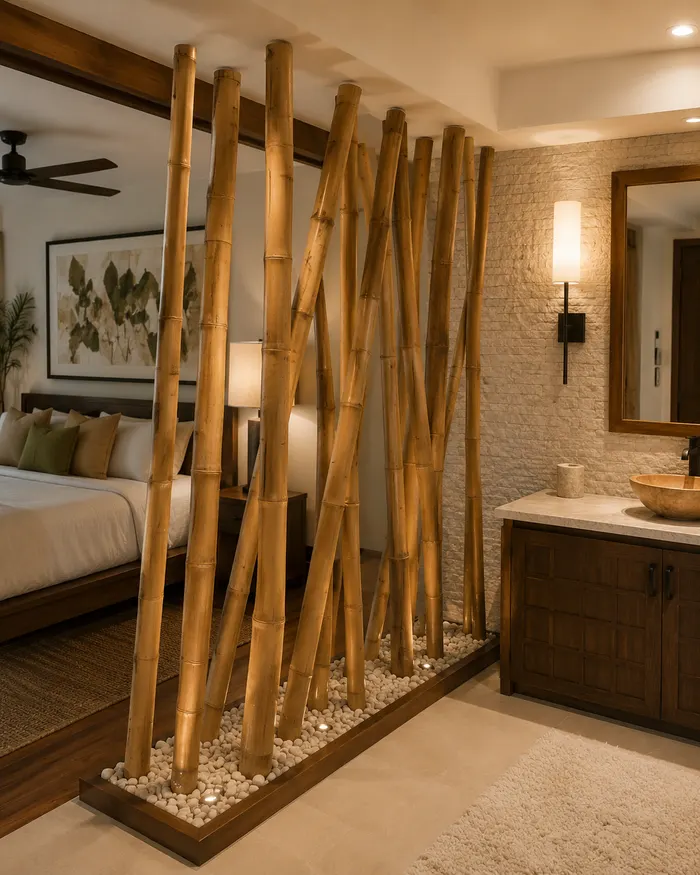
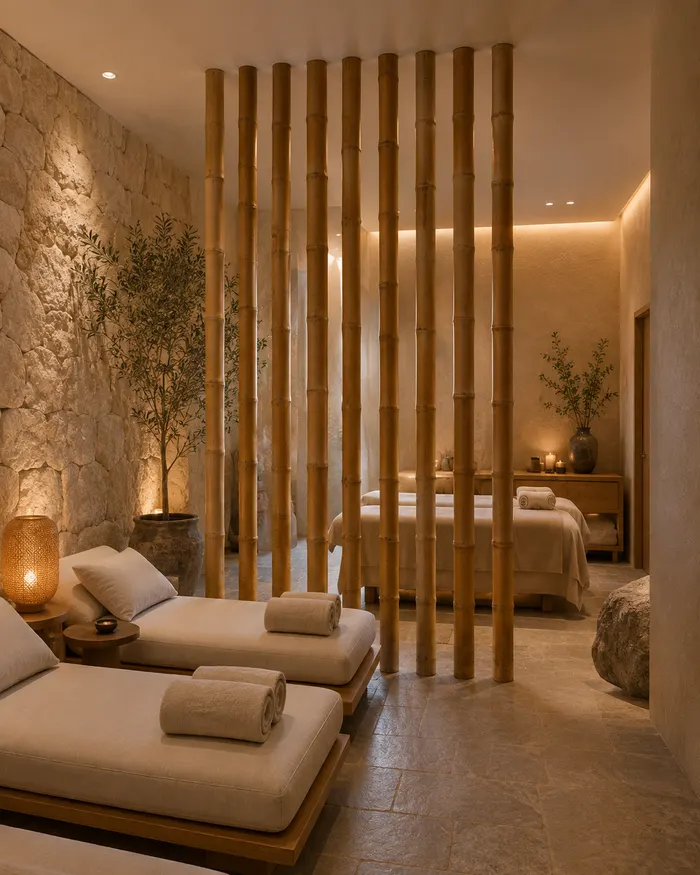
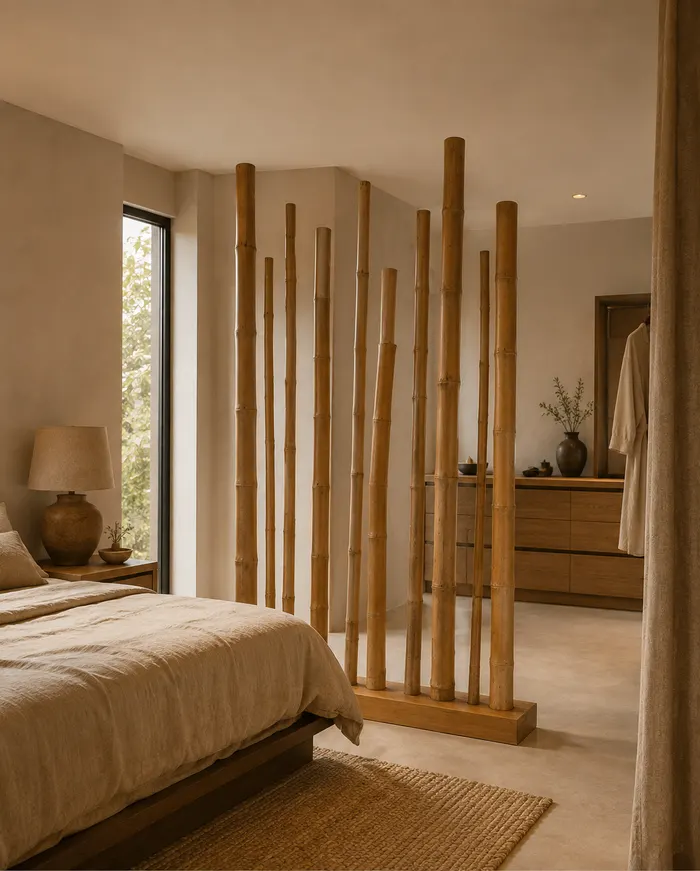
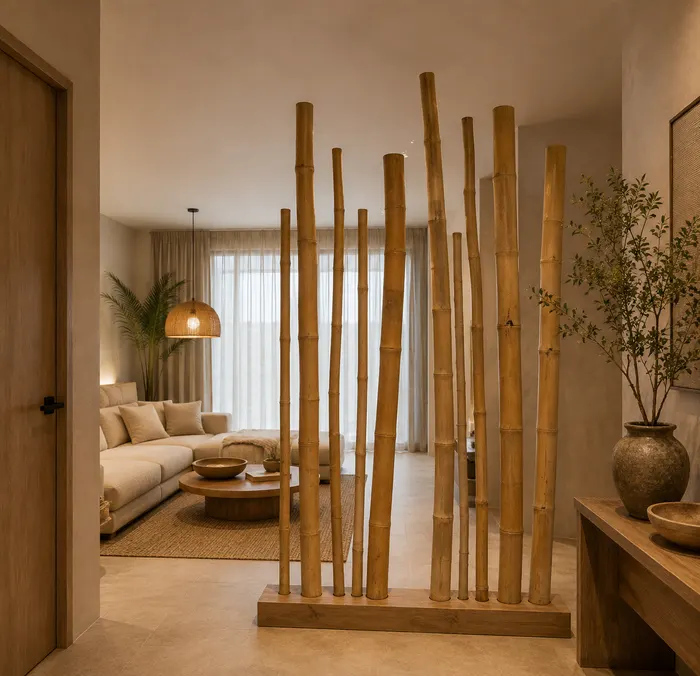
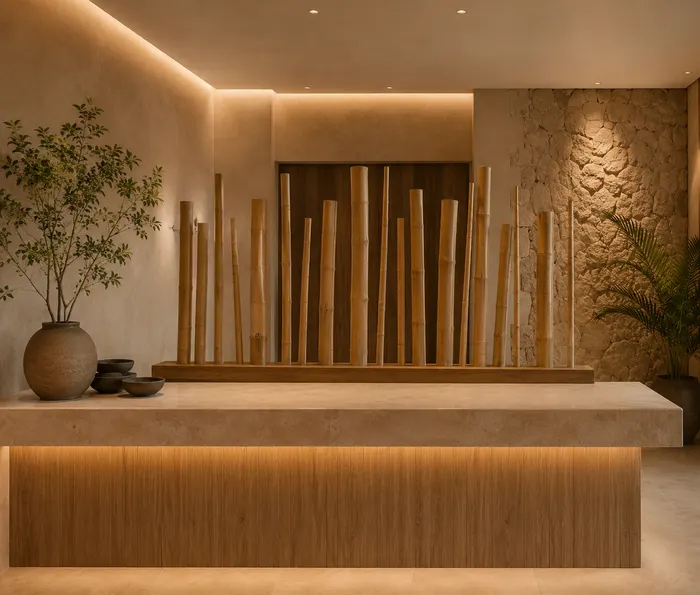
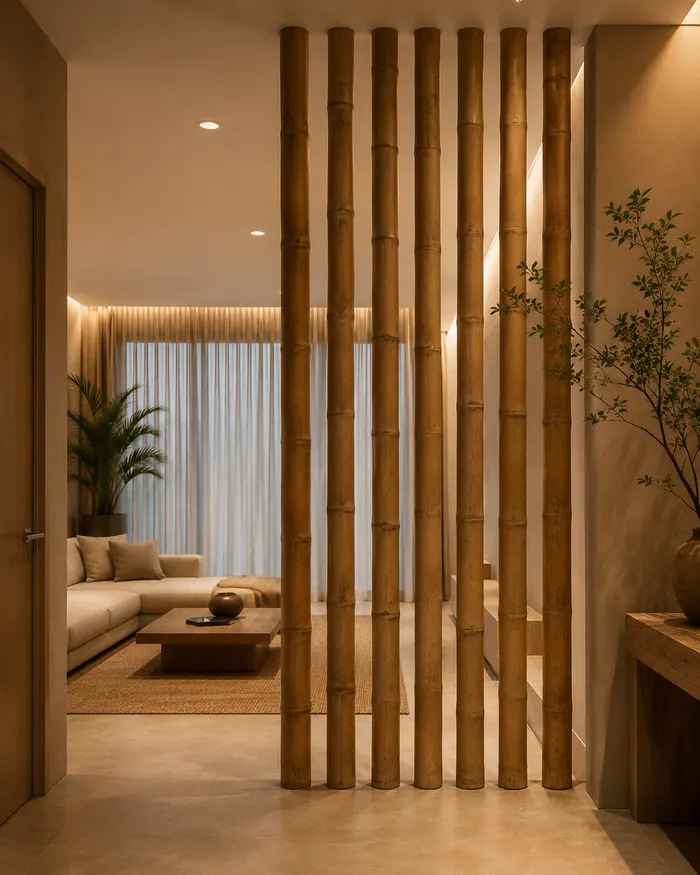
Natural lengths and a round section give architects and designers a great deal of freedom in form. Bamboo poles can be used on their own or in combination with other materials.
For professional use, material choice, detailing, connections, treatment and structural dimensioning determine whether bamboo suits a given design. That makes it an interesting alternative or addition to traditional materials such as timber and steel.
Bamboo gives architects, contractors and structural engineers a broadly applicable material for innovative, light and naturally shaped structures.
For assessing environmental performance, the available EPDs and the data held in the Dutch Nationale Milieudatabase (NMD) are the relevant sources. For European Moso bamboo they give architects, engineers and structural designers a basis for environmental calculations and sustainable material choices.